Exploring the Smiling Seal 3D Mug Wrap Sublimation Design for Custom Drinkware
In the evolving landscape of personalized merchandise, sublimation printing has emerged as a dominant method for creating vibrant, durable designs on ceramics and metals. Among the myriad of design options available to creators and hobbyists, the Smiling Seal 3D Mug Wrap Sublimation stands out as a distinctive choice that blends whimsical character art with advanced visual depth. This digital asset is not merely a flat illustration; it is a carefully constructed graphic intended to leverage the cylindrical nature of mugs, particularly straight-walled and skinny varieties, to create an immersive viewing experience.
For individuals exploring custom drinkware production, understanding the nuances of this specific design format is crucial. It represents a shift from traditional two-dimensional clipart toward more sophisticated, layered compositions that mimic three-dimensionality. This article examines the characteristics of the Smiling Seal 3D Mug Wrap, compares it to alternative design styles, and outlines the practical considerations for integrating it into a sublimation workflow.
Understanding the 3D Aesthetic in Sublimation Wraps
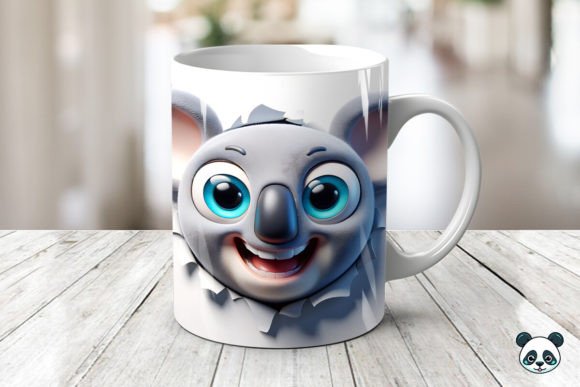
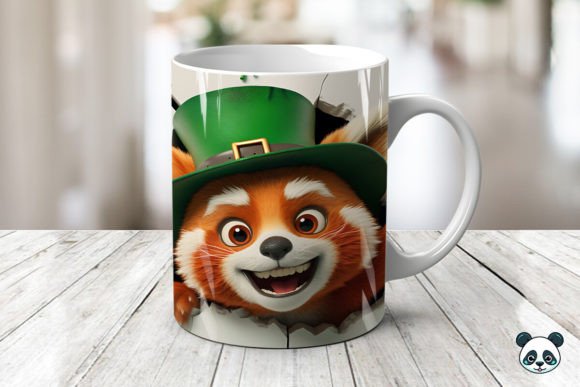
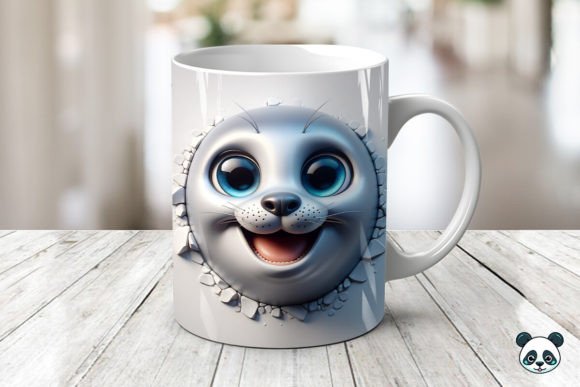
The term "3D" in the context of sublimation wraps often refers to visual techniques that create the illusion of depth, rather than actual physical texture. The Smiling Seal 3D Mug Wrap Sublimation utilizes shading, perspective, and seamless patterning to make the central subject—the seal—appear as though it is emerging from or interacting with its environment. This is achieved through high-resolution PNG files, typically rendered at 300 DPI (dots per inch), which ensures that gradients and fine details remain crisp when transferred onto the mug surface.
Unlike standard flat decals, a 3D-style wrap requires precise alignment. The design usually spans the entire circumference of the mug, meaning the left and right edges must align perfectly to maintain the continuity of the background and the integrity of the 3D effect. For the Smiling Seal design, this often involves a watercolor-inspired background that flows seamlessly around the cup, providing a soft, artistic contrast to the more defined features of the seal itself. This combination of realistic animal portrayal and artistic background textures offers a unique aesthetic that appeals to buyers looking for something beyond generic text or simple icons.
Comparing Design Styles: 3D Wraps vs. Traditional Flat Prints
When evaluating sublimation resources, creators often choose between traditional flat prints and more complex 3D-style wraps. Each approach has distinct advantages and limitations depending on the intended use case and the skill level of the printer.
- Visual Impact: Traditional flat prints are effective for bold logos or simple typography. However, they can appear static on a curved surface. The Smiling Seal 3D Mug Wrap leverages the curvature of the mug to enhance the perception of depth, making the design feel more dynamic and engaging from multiple angles.
- Complexity of Production: Flat designs are generally more forgiving regarding alignment errors. A slight misalignment in a 3D wrap, however, can break the illusion of continuity, particularly where the background pattern meets. Therefore, using a 3D design requires greater attention to detail during the pressing process.
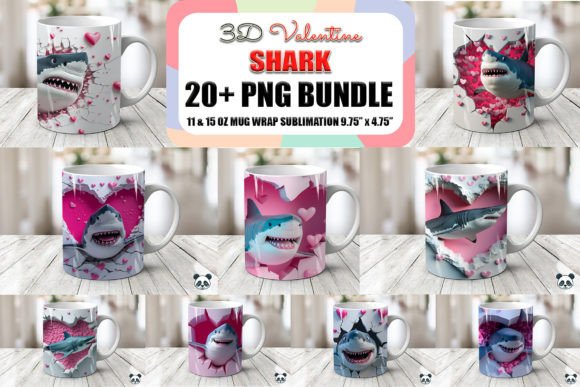
- Versatility: While flat designs can be easily resized and placed anywhere on a mug, 3D wraps are typically designed for specific dimensions, such as the 9.75 x 4.75 inches specified for this seal design. This makes them less flexible for irregularly shaped items but highly optimized for standard straight mugs.
For creators targeting a premium market segment, the added effort required to print 3D-style wraps is often justified by the higher perceived value of the final product. Customers tend to associate intricate, full-coverage designs with higher quality craftsmanship compared to simple front-and-back prints.
Compatibility with Mug Types and Templates
One of the critical decision factors in sublimation is matching the design template to the physical product. The Smiling Seal 3D Mug Wrap Sublimation file is optimized for straight-walled mugs, which include popular sizes like 11 oz, 15 oz, and 20 oz skinny mugs. The geometry of these mugs allows for a uniform transfer of heat and pressure, which is essential for maintaining the clarity of the 3D effect.
It is important to note that this design may not be suitable for tapered mugs, such as latte mugs or cone-shaped cups, without significant distortion. The seamless pattern and the positioning of the seal are calculated based on the consistent diameter of a straight mug. Using this wrap on a tapered surface would stretch the image unevenly, potentially distorting the seal’s features and breaking the seamless background loop.
Furthermore, the aspect ratio of the provided PNG files (9.75 in x 4.75 in) is a standard dimension for many sublimation blanks. Creators should always verify the exact dimensions of their specific mug blanks before printing, as slight variations between manufacturers can affect the final fit. Adjusting the scale in design software may be necessary to ensure the wrap covers the desired area without leaving gaps or overlapping excessively.
Practical Considerations for Digital Downloads
Purchasing a digital download like the Seal 3D seamless pattern or the complete mug wrap involves different responsibilities compared to buying a physical product. The buyer receives instant access to ZIP files containing high-resolution PNGs, but the success of the final product depends entirely on the user’s equipment and technique.
To achieve the best results with the Smiling Seal 3D Mug Wrap, several technical factors must be considered:
- Printer and Ink Quality: Sublimation requires specialized dye-sublimation inks and paper. Standard inkjet printers cannot reproduce the vibrant colors and deep contrasts necessary for the 3D effect to pop. The watercolor background, in particular, relies on smooth gradient transitions that low-quality prints may render as banding or pixelation.
- Heat Press Settings: Time, temperature, and pressure are critical. Over-pressing can cause color shifting or burn marks, while under-pressing may result in a faded, washed-out appearance. The 3D elements, which often rely on subtle shadowing, are particularly sensitive to inconsistent heat distribution.
- Software Proficiency: Users need basic knowledge of graphic design software to open, resize, and mirror the PNG files before printing. Mirroring is essential for sublimation, as the image transfers in reverse. Failure to mirror the Seal mug wrap will result in a backward image on the final product.
It is also worth noting that this item is strictly a digital file. No physical mugs or printing supplies are included. This model allows for immediate project initiation but assumes the buyer already possesses the necessary hardware and materials. For beginners, this may present a steeper learning curve compared to purchasing pre-printed items, but it offers greater creative control and lower long-term costs for those producing in volume.
When to Choose the Smiling Seal Design
The Smiling Seal 3D Mug Wrap Sublimation is an ideal choice for specific scenarios. It is particularly well-suited for creators focusing on nature-themed, oceanic, or wildlife-inspired collections. The watercolor aesthetic adds a soft, artistic touch that appeals to customers seeking home decor items with a calming or whimsical vibe.
Additionally, this design is beneficial for those looking to expand their product line with minimal effort. Since the file is pre-designed and ready to print, it eliminates the time-consuming process of creating complex 3D illusions from scratch. This allows sellers to quickly test market demand for animal-themed drinkware without investing in custom illustration services.
However, if a creator’s brand identity relies on minimalist, geometric, or typographic designs, this ornate, character-focused wrap may not align with their aesthetic. Similarly, if the target audience prefers simple, low-cost items, the higher production complexity of a full-wrap 3D design might not offer a sufficient return on investment compared to simpler, partial-print options.
Evaluating the Value of Seamless Patterns and Backgrounds
A notable feature of this digital package is the inclusion of seamless patterns. The Seal 3D seamless pattern and background elements allow for extended creativity beyond the standard mug wrap. These assets can be used to create matching items, such as coasters, placemats, or even fabric prints, enabling a cohesive product line.
The ability to tile these patterns infinitely without visible seams is a significant advantage for designers. It provides flexibility in scaling the design for larger or smaller surfaces, ensuring that the background texture remains consistent regardless of the application. This versatility enhances the overall value of the digital download, offering more utility than a single-use mug template.
In conclusion, the Smiling Seal 3D Mug Wrap Sublimation represents a sophisticated option for sublimation enthusiasts and professionals. By combining high-resolution 3D visual techniques with charming subject matter, it offers a compelling alternative to flat, traditional designs. Success with this product depends on careful attention to mug compatibility, printing quality, and heat press precision. For those equipped with the right tools and an appreciation for detailed, artistic drinkware, this digital resource provides a strong foundation for creating standout custom products.